Services
Endoscopic Procedures
What are endoscopic procedures?
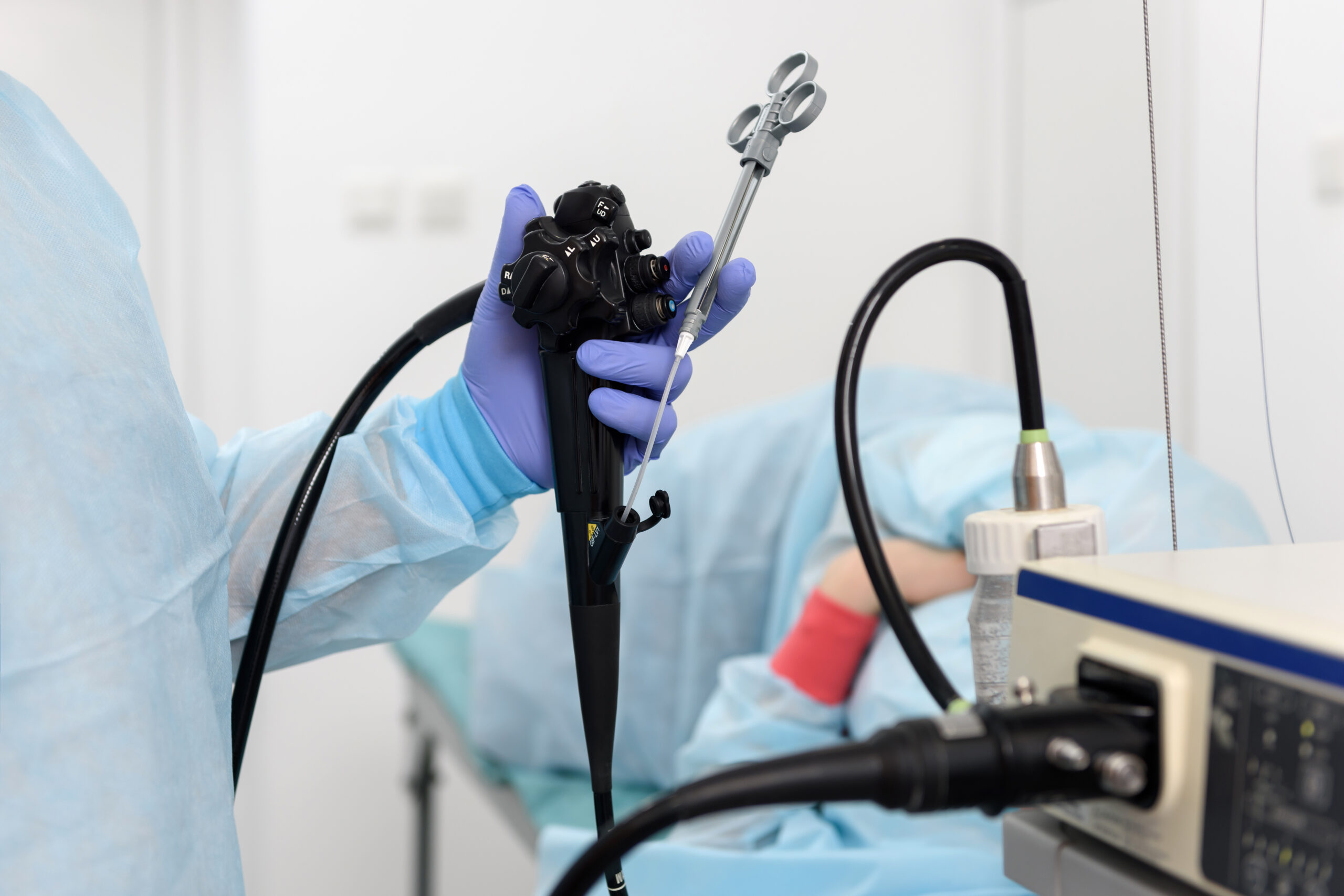
Endoscopic procedures are minimally invasive surgical procedures that involve the surgeon using surgical instruments and an endoscope to examine and treat problems that may occur in organs in the abdomen or other sites. An endoscope is a thin tube with a camera and a light attached.
Types of endoscopic procedures:
Endoscopic procedures are used to examine, diagnose and treat several types of conditions. There are several types of endoscopic procedures that Dr Andrew Viljoen may perform depending on your situation, such as:
- Gastroscopy:
This procedure is performed to diagnose and treat conditions of the oesophagus, small intestine and stomach. Gastroscopy is normally indicated if you suffer from difficulty swallowing, weight loss, and persistent stomach pain. The most common conditions diagnosed during a gastroscopy include ulcers, gastroesophageal reflux disease (GORD), tumours, benign growths or blockages. - Colonoscopy:
This is a procedure performed to diagnose and treat medical conditions of the colon and rectum (the lower intestinal tract). A colonoscopy may be indicated to investigate the cause of unexplained changes in bowel habits, unexplained constipation, abdominal pain, weight loss or diarrhoea. The most common conditions diagnosed include haemorrhoids, colon or rectal cancer, diverticular disease, chronic polyps, vascular causes for bleeding, infections, inflammatory bowel disease, and ulceration. - Sigmoidoscopy:
This is a diagnostic procedure done to examine the sigmoid colon. The sigmoid colon is the lower portion of the colon, or large intestine, close to the rectum and anus. The procedure is carried out to investigate symptoms like abdominal pain, abnormal growths (polyps), diarrhoea, constipation, and bleeding. The most common conditions that may be diagnosed with a sigmoidoscopy include tumours, polyps, ulcers, haemorrhoids, diverticula, inflammation, and strictures.
How are endoscopic procedures performed?
Dr Andrew Viljoen performs endoscopic procedures while the patient is sedated with the anaesthetist and nursing staff present. Dr Viljoen’s staff monitors the patient’s vital signs, including blood pressure, pulse and oxygenation. Patients who undergo gastroscopy will have their throats sprayed with a local anaesthetic. The anaesthetist will administer sedation. While under sedation, the camera will be passed through the mouth to assess the food pipe (oesophagus), stomach and the entrance of the small bowel (intestine).
For a colonoscopy, the camera is inserted through the anus and passed through the colon, assessing the whole colon and rectum. Then, specialised surgical tools can be guided through the colonoscope to remove tissue samples (biopsy) or suspicious growths (polyps).
If it’s just a sigmoidoscopy, then a camera is passed through the anus till it reaches the sigmoid, the lower end of the large intestine. This type of procedure is normally carried out to investigate the cause of belly pain and diarrhoea.
FAQ
- Aspiration (for gastroscopy)
- Perforation or bleeding (for colonoscopy)